Sadaqah Vs Zakat
A complete guide to Udhiyah. Qurbani Rules in Islam
Hero
Donate band
Guide copy
Cards
Steps
FAQs
Bottom CTA
Understand the difference between Zakat and Sadaqah, choose the right form of giving and help patients access surgical and medical care they cannot afford.
See How It Helps ↓Both are forms of giving in Islam. The main differences are obligation, amount, timing and who may receive the contribution.
| What to consider | Zakat | Sadaqah |
|---|---|---|
| Obligation | ZakatRequired for Muslims who meet the applicable conditions. | SadaqahVoluntary giving, offered freely. |
| Amount | ZakatGenerally 2.5% for qualifying monetary wealth; rules vary by asset type. | SadaqahNo fixed required amount. |
| Timing | ZakatFor many wealth types, due after the applicable lunar-year holding period. | SadaqahCan be given at any time, once or regularly. |
| Recipients | ZakatMust reach recipients eligible under Islamic rules. | SadaqahCan support a wider range of people in need and charitable purposes. |
| Calculation | ZakatRequires consideration of eligible assets, Nisab and applicable liabilities. | SadaqahChoose a contribution according to your means. |
| Patient care | ZakatSupports patients and healthcare needs that meet Zakat eligibility requirements. | SadaqahCan support surgical and medical care and broader healthcare initiatives. |
This is general guidance. Rules can differ by asset type and scholarly opinion; consult a qualified scholar about your circumstances.
You can choose Zakat-eligible patients or initiatives and contribute to ease their pain and suffering.
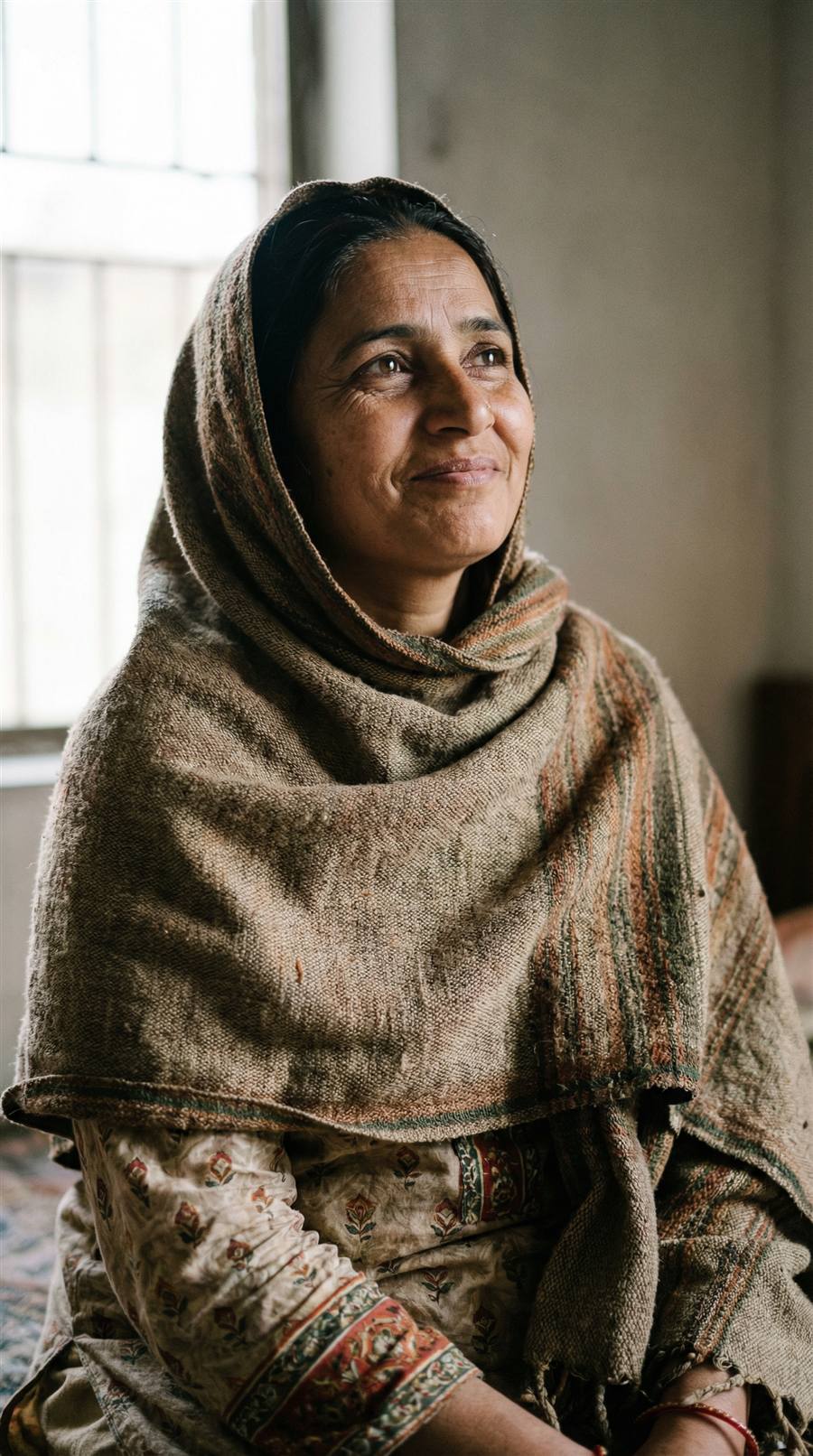
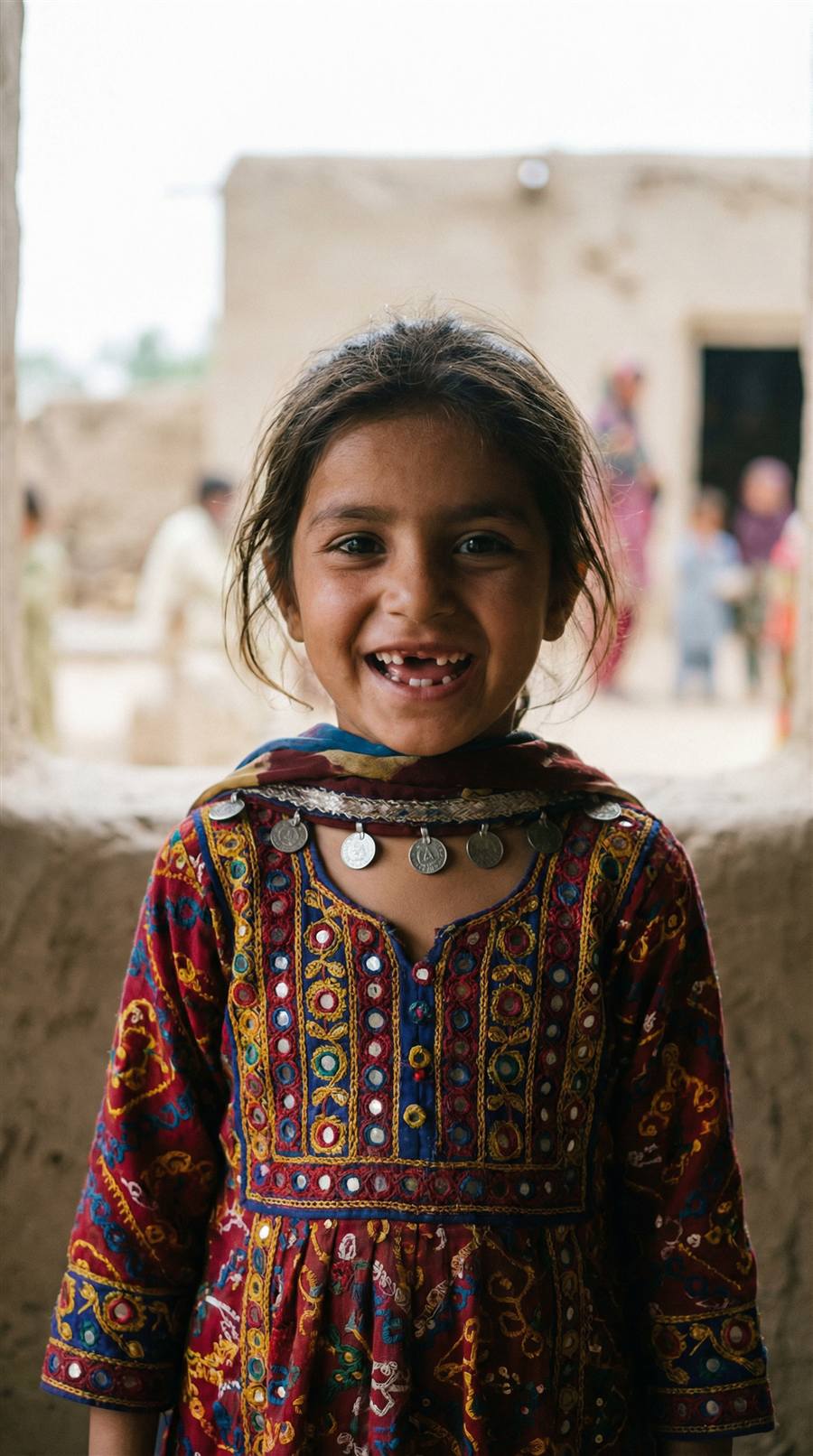
Pediatric Surgery
Common questions about Zakat, Sadaqah and giving for patient care.
Zakat is obligatory for Muslims who meet its conditions. Sadaqah is voluntary charity that can be given at any time and in any amount.
A voluntary Sadaqah donation does not automatically fulfill a Zakat obligation. Intention and Zakat eligibility requirements matter. Ask a qualified scholar if you are unsure about a particular payment.
Zakat can support medical treatment for recipients who meet the relevant eligibility requirements. Transparent Hands directs Zakat-designated donations toward eligible healthcare needs under Shariah guidance.
There is no fixed religious amount for Sadaqah. Payment services may have transaction minimums, which should be checked when donating.
Yes. You can fulfill your Zakat obligation and make additional voluntary contributions as Sadaqah. Select the appropriate donation category when giving.
Review your eligible assets, applicable liabilities, Nisab and the relevant holding period. Use the Zakat calculator as a starting point and seek qualified guidance for your circumstances.
Learn more, calculate your contribution and find a way to help.